The easiest way to choose a party dress is to work backwards from the invitation. The dress code tells you roughly how long the dress should be and how formal the fabric; the venue and time of year tell you how warm it needs to be; and the shoes you can actually stand in all evening decide the rest.
If the invitation gives no dress code, think about the time and place. An evening party in a hotel or a formal venue leans towards cocktail; a daytime garden party or a pub celebration leans towards smart casual. When in doubt, a well cut knee or midi length dress in a plain colour is hard to get wrong.
Dress codes at a glance
| Dress code | Usual length | Fabrics that fit | Notes |
|---|---|---|---|
| White tie | Full length gown | Silk, satin, velvet | The most formal; long gloves are traditional |
| Black tie | Floor length, or an elegant midi if the host is relaxed | Silk, chiffon, velvet, tulle, sequins | Above the knee is usually too casual |
| Cocktail | Knee to midi | Crepe, silk, lace, sequins | The most common code for evening parties |
| Smart casual | Any, often knee or midi | Cotton, linen, jersey, printed fabrics | Daytime events, relaxed celebrations |
Black tie is the code people worry about most. The usual expectation for women is a long evening dress, in evening fabrics such as silk, chiffon, velvet or tulle; sequins and metallics are fine. Cotton and jersey look too casual. For weddings, the blog post on what to wear as a wedding guest covers the extra etiquette, such as avoiding white.
Length and silhouette
The shape of a dress matters as much as its length. A few common cuts:
- Sheath: close fitting from shoulder to hem, usually knee or midi length. Smart and simple, ideal for cocktail events.
- Shift: straight and loose through the waist. Comfortable, and often used for sequinned party dresses.
- A-line: fitted at the top, flaring gently to the hem. Flattering on most figures and easy to move in.
- Wrap: ties at the waist, adjustable fit. Good for daytime and smart casual.
- Bodycon: tight all over, usually stretch fabric. A night out choice rather than a formal one.
- Maxi or gown: floor length, for black tie and formal evenings.
If you are buying an Italian designer dress, check the size conversion before you order: Italian sizes use different numbers, and fitted cuts can run small. The guide to designer clothing sizes explains how to convert and measure.
Fabrics and the season
- Sequins and beading catch the light and suit evening parties. They can scratch the inside of the arms, so check the lining, and they need careful storage.
- Lace works for both cocktail and formal events. A full lining makes it look more expensive and less see through.
- Silk and satin drape beautifully but show creases and water marks. Steam rather than iron.
- Velvet is a winter favourite, warm and rich in colour.
- Crepe hangs well, creases less and is forgiving to wear all evening.
For winter parties, plan a cover up: a tailored jacket, a faux fur stole or a long coat. For summer events, lighter fabrics and a shawl for the evening are easier than a heavy sequinned dress.
Shoes and bags
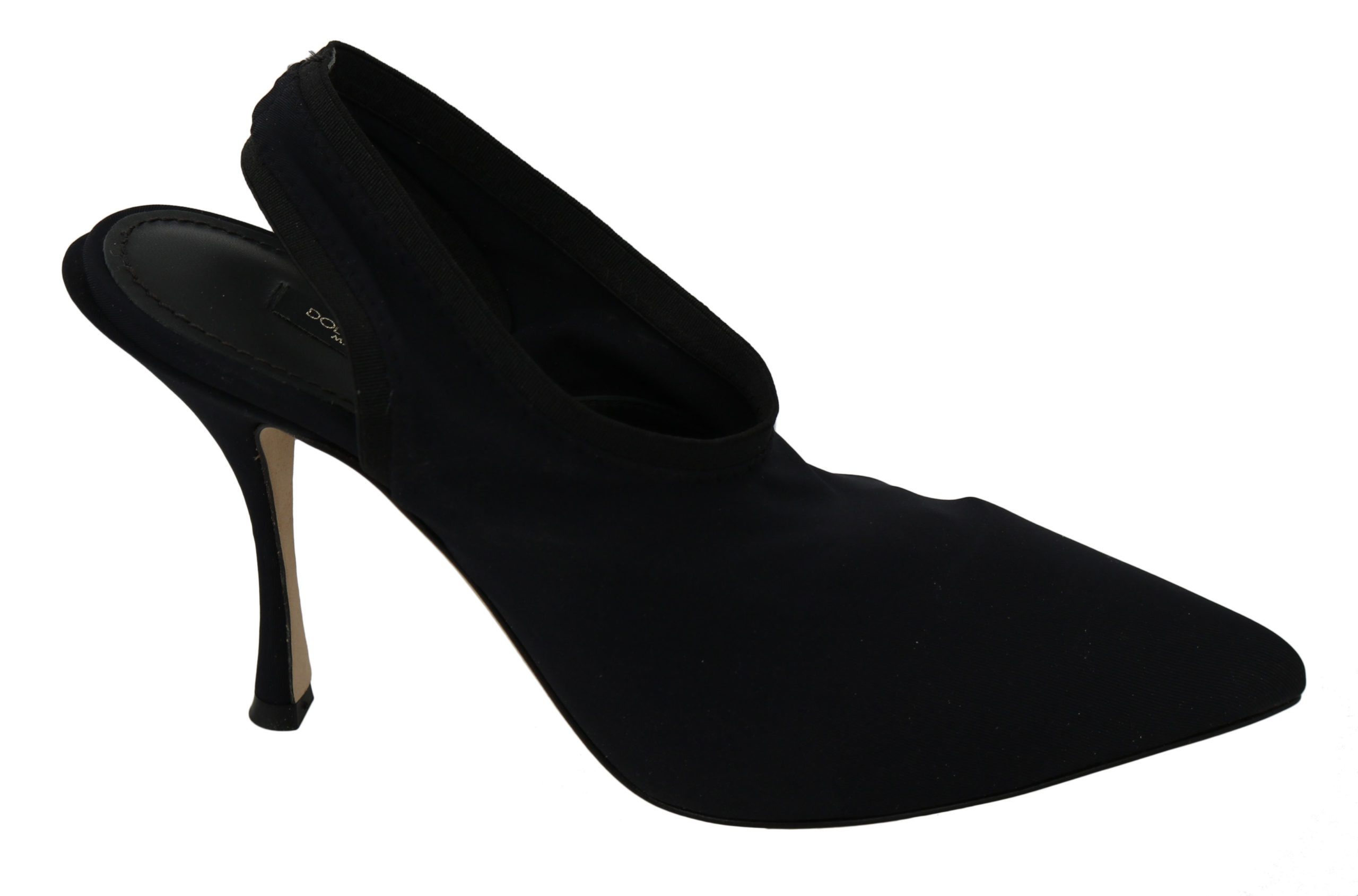
Choose shoes you can stand and dance in for several hours. Block heels and platforms are steadier than stilettos, especially on grass, cobbles or a sprung dance floor. A guide to choosing high heels covers heel heights and fit. Browse high heels and sandals for evening styles.
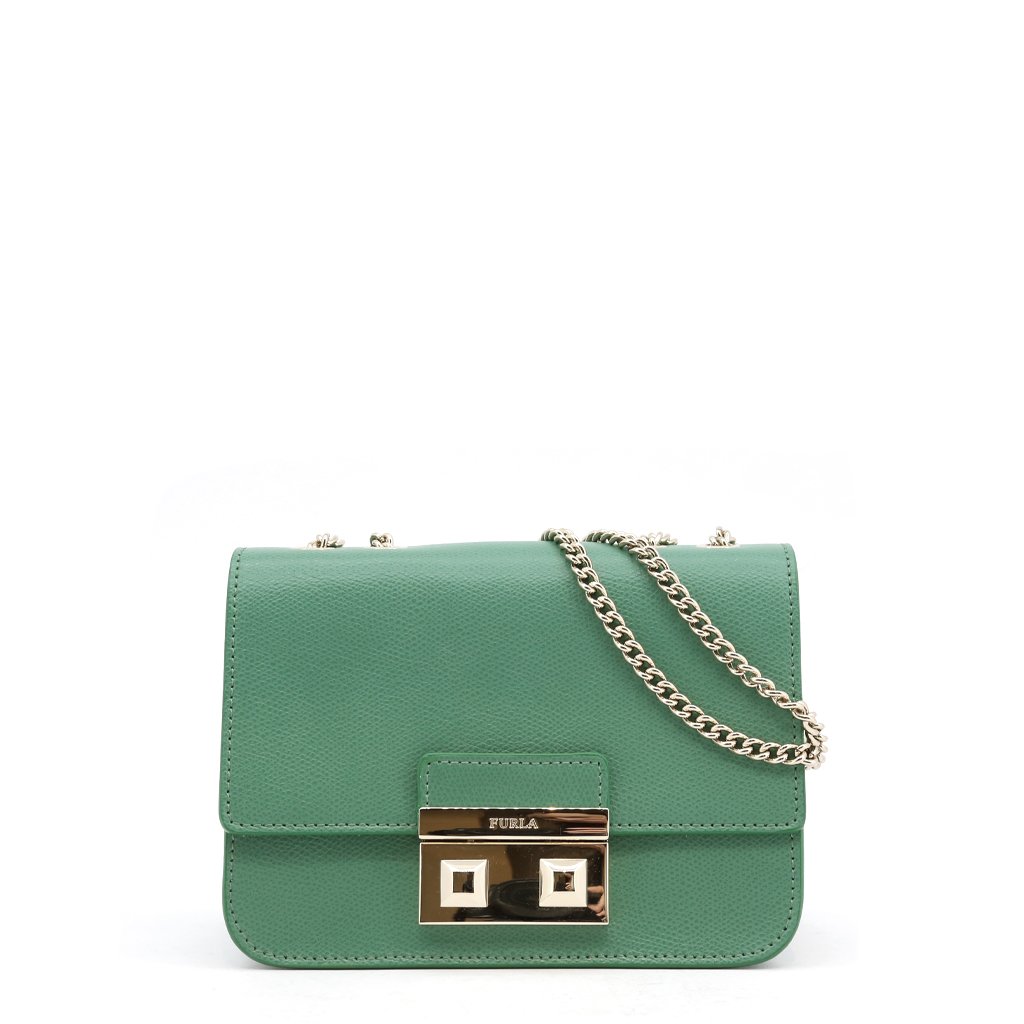
A party bag only needs to hold a phone, a card, keys and a lipstick. A clutch or a small crossbody bag from the bags range keeps your hands free if it has a strap. Match the metal of the bag’s hardware to your jewellery for an easy, finished look.
Common mistakes
- Ignoring the dress code. Being underdressed at black tie is more noticeable than being slightly overdressed at a cocktail party.
- Buying the dress the day before. Leave time for delivery, a possible exchange and any alterations.
- Not testing the outfit. Sit, walk and lift your arms in the dress at home before the event.
- New shoes on the night. Wear them around the house for a few evenings first.
- Forgetting underwear. Strapless, backless and sheer dresses need the right bra and seamless underwear; see the lingerie range.
Quick checklist
- Read the dress code on the invitation.
- Choose length and fabric to match the code.
- Check the size conversion for Italian and French sizes.
- Plan a cover up for winter or late evenings.
- Pick shoes you can stand in for hours, and wear them in.
- Choose a small bag that holds phone, card and keys.
- Try the full outfit on at home before the day.
Common questions
Can I wear a short dress to a black tie event?
It is usually considered too casual. A floor length dress is the safe choice; an elegant midi or ankle length dress may be acceptable if the host says so.
What is the difference between cocktail and smart casual?
Cocktail is evening wear: knee to midi length dresses in dressier fabrics such as crepe, silk, lace or sequins. Smart casual is more relaxed, often daytime, and allows cotton, linen and printed jersey.
Is black always safe for a party?
Black works for most evening events and is easy to accessorise. It is less suited to some daytime events and to certain cultural or religious celebrations, so check if you are unsure.