How to Care for Leather Boots Before Winter
- 29 Sep, 2026
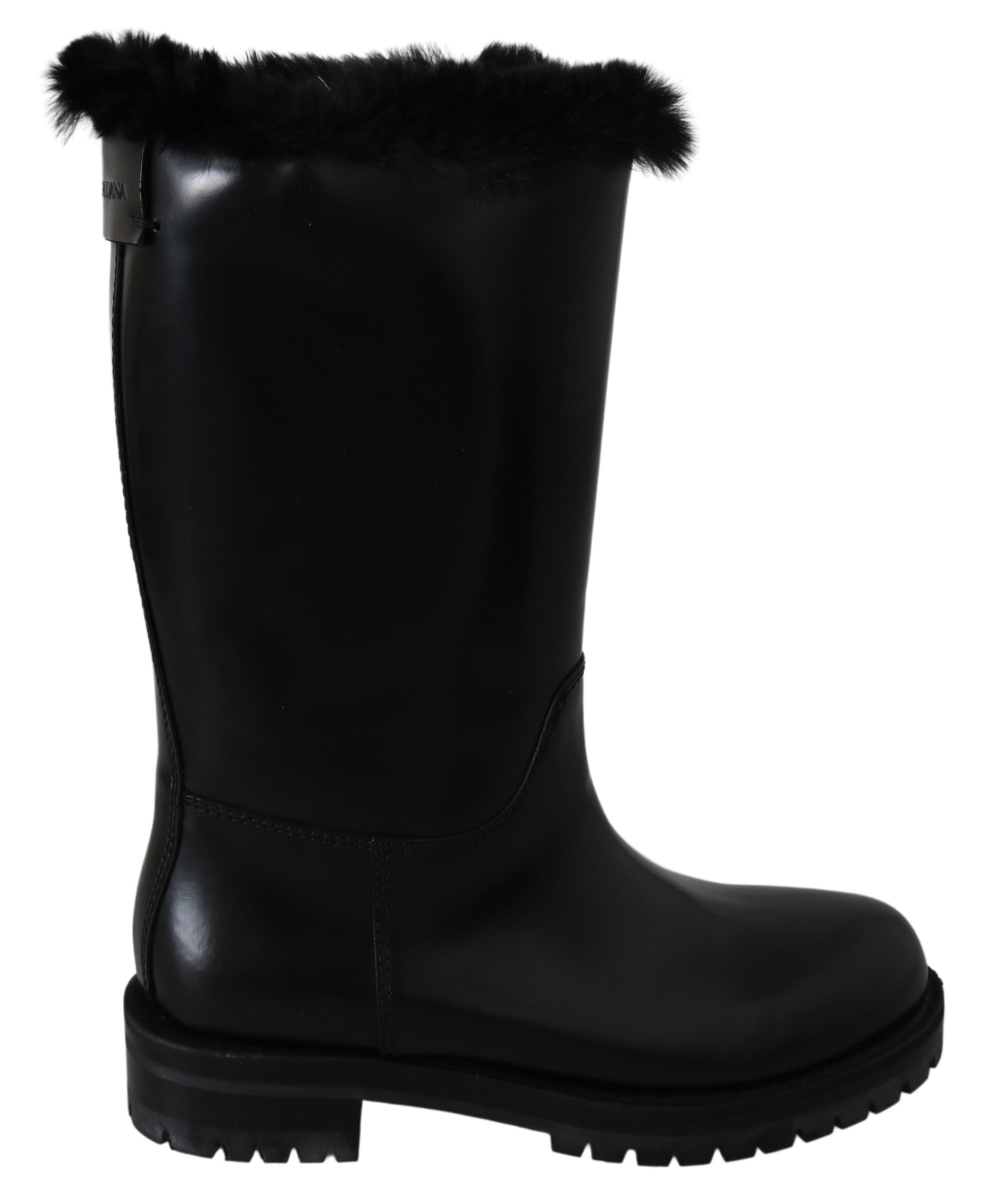
When the evenings start to draw in, most of us pull our boots out from the back of the wardrobe. Leather boots can last for many years, but only if they get a little attention. Rain, mud, road salt and central heating are all hard on leather. The good news is that a simple routine takes just a few minutes and makes a big difference.
Check Them Over at the Start of the Season
Before you wear your boots for the first time this autumn, give them a quick inspection:
- Look at the soles and heels for wear. Worn heel tips are easy and inexpensive for a cobbler to replace, but leaving them too long can damage the heel itself.
- Check the stitching, zips and laces.
- Look for dry, cracked or faded areas in the leather.
- Make sure any lining, such as shearling, is clean and dry.
Sorting small problems now is much easier than dealing with a split sole in the middle of December.
Cleaning Leather Boots
Clean boots regularly, and always after they have been out in mud or salt.
- Remove laces if there are any, and knock off loose dirt.
- Use a soft brush to remove dust and dried mud, paying attention to the seam where the upper meets the sole.
- Wipe with a damp cloth. For stubborn marks, use a cleaner made for leather, following the instructions on the product.
- Let the boots dry naturally at room temperature. Never put them on a radiator or in front of a fire, as fast drying can make leather stiff and cracked.
- Stuff wet boots with newspaper or use boot trees to help them keep their shape while drying.
White tide marks from salt or water can often be lifted by gently wiping with a damp cloth once the boots are dry. Test any treatment on a small, hidden area first.
Conditioning and Protecting
Leather is a natural material and needs some moisture to stay supple. Once your boots are clean and dry, apply a leather conditioner or cream suited to your boots, working it in with a soft cloth. A light coat every few weeks during the winter is usually enough, but check the advice for your particular leather.
After conditioning, a protective spray can help repel water and stains. Not all products suit all leathers, so always check the label. Suede and nubuck need their own specific products and a suede brush rather than polish or cream.
If you like a shine, finish smooth leather with a matching polish and buff it with a clean cloth. This also adds an extra layer of protection.
Wearing and Storing Boots
A few everyday habits help your boots last longer:
- Rotate them. Try not to wear the same pair every single day. Giving leather a day off lets it dry out properly.
- Use a shoe horn. It protects the heel counter, especially on snug ankle boots.
- Store them upright. Tall boots keep their shape better with boot shapers or rolled up magazines inside.
- Keep them in a cool, dry place. Use a breathable fabric bag rather than plastic, which can trap moisture.
Ready for Winter
Whether you love sturdy lace ups, sleek ankle boots or cosy styles like these black leather shearling booties, the same basics apply: keep them clean, keep them conditioned and let them dry slowly. If it is time for a new pair, take a look at our boots collection. With a little care, a good pair of leather boots will stay part of your winter wardrobe for many seasons.